
Expert Advice: Can I Snow Tube While Pregnant? 5 Critical Risks to Know
Décembre 1, 2025
Abstract
The question of whether one can safely snow tube while pregnant is a matter of significant medical and personal consideration. This article provides a comprehensive examination of the subject, grounded in established obstetric and trauma-informed medical principles. It objectively analyzes the inherent risks associated with snow tubing, an activity characterized by high speeds, unpredictable forces, and a lack of user control. The primary dangers evaluated include the potential for high-impact falls, direct and indirect abdominal trauma, and the subsequent risk of severe complications such as placental abruption. Furthermore, the analysis extends to the physiological changes during pregnancy, such as a shifting center of gravity and increased joint laxity, which heighten susceptibility to injury. The medical consensus, largely guided by recommendations from professional bodies like the American College of Obstetricians and Gynecologists, strongly advises against such high-risk recreational activities. The article concludes by presenting safer, alternative ways for expectant mothers to enjoy the winter season, prioritizing both maternal well-being and fetal safety.
Key Takeaways
- Medical experts strongly advise against high-impact activities like snow tubing during all stages of pregnancy.
- The principal risks are falls, collisions, and abdominal trauma, which can lead to serious complications.
- Deciding 'can I snow tube while pregnant' requires a thorough understanding of the significant risks involved.
- Pregnancy-related physiological changes increase your susceptibility to falls and other musculoskeletal injuries.
- Always consult your healthcare provider before participating in any winter sports or new physical activities.
- Choose safer alternatives like gentle walking or snowshoeing on flat, groomed trails for winter enjoyment.
- The lack of control over speed and direction in a snow tube makes it an unsuitable activity for expectant mothers.
Table of Contents
- The Allure of Winter and a Pressing Question
- Risk 1: The Inherent Danger of Falls and High-Impact Forces
- Risk 2: Abdominal Trauma and the Threat of Placental Abruption
- Risk 3: The Unpredictability of the Environment and Other Participants
- Risk 4: Physiological Strains on the Pregnant Body
- Risk 5: The Lack of Control and Inability to “Bail Out” Safely
- Medical Consensus and Official Recommendations
- Safer Alternatives for Enjoying Winter While Pregnant
- Frequently Asked Questions (FAQ)
- A Final Thought on Winter, Wisdom, and Well-being
- References
The Allure of Winter and a Pressing Question
The crisp air, the brilliant white of freshly fallen snow, and the laughter echoing down a hillside—these are the elements that compose the magic of winter. For many, the season is synonymous with invigorating outdoor activities that break the monotony of cold, short days. Among these cherished pastimes, snow tubing holds a special place. It appears deceptively simple, demanding little skill yet promising a thrilling ride. It is an activity that evokes childhood joy, a feeling of pure, unadulterated fun as gravity takes hold. It is precisely this accessibility and perceived gentleness that leads many expectant parents to a common and important question: can I snow tube while pregnant?
The Joy of Snow Tubing
To understand the dilemma, we must first appreciate the appeal. Unlike skiing or snowboarding, which require lessons, practice, and a significant degree of coordination, snow tubing invites everyone. You sit in a tube, someone gives you a gentle push, and you glide. The experience is a rush of speed, a blur of white, with the cold wind on your face. It feels like a harmless bit of fun, a way to participate in the family outing without the steep learning curve of other winter sports. This perception of safety is where the complexity begins. The very elements that make it fun—speed, bumps, and the spinning motion—are the same elements that introduce risk, particularly for a pregnant individual. The joy is undeniable, but it is a joy that must be weighed against a profound responsibility.
Pregnancy and the Recalibration of Risk
Pregnancy is a transformative period, not just physically, but in one's entire orientation to the world. Activities once considered routine are suddenly viewed through a new lens of caution and care. A simple stumble on the sidewalk, a minor fender bender, or even a common cold can provoke a level of anxiety that was previously absent. This is a natural and healthy recalibration of one's personal risk assessment. The body is no longer just one's own; it is a vessel, a sanctuary for a developing life. Every choice, from what to eat to how to exercise, is filtered through the question of what is best for the baby. Therefore, when an expectant mother stands at the top of a snow-covered hill, tube in hand, she is not just contemplating a fun ride. She is engaging in a complex ethical and medical calculation, weighing a fleeting moment of exhilaration against the potential for lasting harm.
Why This Question Matters: A Medical Perspective
From a medical standpoint, the question is not trivial. Obstetricians and gynecologists are frequently asked about the safety of various activities, and their guidance is rooted in a deep understanding of maternal physiology and fetal development. The primary directive in prenatal care is to first, do no harm. This principle compels healthcare providers to advise against activities where the risk of injury, particularly abdominal trauma or a significant fall, is elevated (American College of Obstetricians and Gynecologists [ACOG], 2020). The inquiry, "can I snow tube while pregnant?" is not about judging a desire for fun but about applying established medical knowledge to a specific recreational context. It involves a careful analysis of the forces at play, the body's altered state during pregnancy, and the potential cascade of negative outcomes that could result from a seemingly minor incident. The answer requires a shift from thinking about the probability of an accident to considering the severity of the consequences if one were to occur.
Risk 1: The Inherent Danger of Falls and High-Impact Forces
The most immediate and obvious risk associated with snow tubing is the potential for a fall. However, the term "fall" in this context is deceptively mild. It is not merely tripping while walking; it is an event involving speed, momentum, and impact. Understanding this risk requires us to look at the physics of the activity and the unique vulnerabilities of the pregnant body.
Understanding the Physics of a Snow Tube Ride
Imagine a snow tube as a vehicle with no steering, no brakes, and a very low-friction interface with the ground. Once in motion, its path is dictated by gravity, the contours of the slope, and any imperfections in the snow. A typical recreational snow tubing hill can allow a rider to reach speeds of 10 to 20 miles per hour, and sometimes even faster on steeper, icier slopes. When the tube hits a bump, it can become airborne. When it reaches the run-out area, it may spin or flip.
Let's consider the forces. A sudden stop, a collision with another tuber, or being ejected from the tube involves a rapid deceleration. This is the same physical principle at work in a car crash, albeit at a lower speed. The force of the impact is distributed through the body. While a non-pregnant person might walk away with a few bruises, the pregnant body carries a uniquely precious and vulnerable passenger. The forces do not just stop at the surface; they can be transmitted internally, posing a direct threat to the uterus and its contents.
How Pregnancy Changes Your Center of Gravity and Balance
Compounding the external risks of the activity are the internal changes happening to the body. As the uterus expands, a pregnant person's center of gravity shifts forward and upward. This fundamental change can make maintaining balance more challenging, even on stable ground (Jang et al., 2008). Now, place this altered body into an unstable, spinning snow tube. The body's natural instincts to correct and stabilize itself are less effective.
Think of it like this: for your entire life, your brain has had a very precise map of how your body moves and balances. Pregnancy redraws that map without giving you time to learn the new layout. You are more prone to unsteadiness. This makes being ejected from a tube more likely, and it also makes the simple acts of getting into and out of the tube, or walking on a slippery, uneven snow-covered hill, more hazardous. A simple slip and fall while walking to the top of the lift could be just as dangerous as an incident on the ride down.
The Direct Consequences of a Fall for Mother and Fetus
If a fall or high-impact event occurs, the consequences can be severe. For the mother, there is the risk of fractures (especially of the wrist, ankle, or hip), sprains, and head injuries. During pregnancy, the hormone relaxin causes ligaments throughout the body to become more lax, preparing the pelvis for childbirth. A side effect is that all joints are less stable and more susceptible to injury.
For the fetus, the dangers are even more profound. A direct blow to the abdomen is the most feared outcome. However, even a hard fall on one's back or side can create a dangerous shearing force inside the body. This rapid deceleration can cause the placenta to tear away from the uterine wall, a condition known as placental abruption. This is a medical emergency that can deprive the fetus of oxygen and nutrients and cause severe maternal hemorrhage (Schmidt et al., 2020). The amniotic fluid provides some cushioning, but it is not an infallible shield against the powerful forces of a high-speed impact. The risk of miscarriage, preterm labor, or fetal distress following significant trauma is real and well-documented in medical literature (Mendez-Figueroa et al., 2013).
| Feature | Snow Tubing | Gentle Winter Walk | Cross-Country Skiing (Flat) |
|---|---|---|---|
| Impact Risk | High (Bumps, collisions, falls) | Low (Risk of slipping) | Low to Moderate |
| Control | None (No steering or brakes) | High (Control over pace and path) | Moderate (Can control speed/stop) |
| Abdominal Trauma | High (Collisions, falling out) | Very Low | Low |
| Balance Required | Low (sitting), but vulnerable | Normal | Moderate |
| Recommendation | Not Recommended | Recommended | Recommended with Caution |
Risk 2: Abdominal Trauma and the Threat of Placental Abruption
While the risk of falls is a general concern in many activities, the specific danger of abdominal trauma in snow tubing deserves a more focused and detailed examination. The abdomen, which so visibly represents the pregnancy, becomes a point of extreme vulnerability. Understanding this risk requires a deeper dive into the anatomy of pregnancy and the mechanics of injury.
The Vulnerable Abdomen: More Than Just a "Baby Bump"
The pregnant abdomen is a marvel of biological engineering. The uterine walls stretch, the abdominal muscles separate, and the skin expands to accommodate the growing fetus. In the early first trimester, the uterus is still nestled deep within the bony pelvis, affording it a significant degree of protection. However, as pregnancy progresses into the second and third trimesters, the uterus rises into the abdominal cavity, becoming a prominent feature. By 20 weeks, the top of the uterus is typically at the level of the navel. By the third trimester, it extends well up towards the rib cage.
This position leaves the uterus, and the life within it, protected only by the abdominal muscles, a layer of fat and skin, and the amniotic fluid. This is a far cry from the rigid protection of the pelvic girdle. A direct blow to the abdomen from hitting a tree, another tuber, or the hard ground after being ejected from a tube can be transmitted directly to the uterus. The common image of the "baby bump" as a cute, round belly belies its medical reality: it is a less-protected, forward-facing area that is highly susceptible to injury from external forces.
What is Placental Abruption? A Detailed Explanation
To fully grasp the danger, we need to understand the placenta and the catastrophic potential of its detachment. The placenta is a remarkable organ that develops during pregnancy, attaching to the inner wall of the uterus. It is the lifeline for the fetus, connected via the umbilical cord. It is responsible for providing oxygen and nutrients while also removing waste products from the baby's blood. The health and integrity of the placenta are absolutely vital for a successful pregnancy.
Placental abruption is the premature separation of the placenta from the uterine wall before delivery. This separation tears the blood vessels that connect the two, leading to bleeding. For the mother, this can cause significant blood loss (hemorrhage), potentially leading to shock and, in rare, severe cases, death. For the fetus, the consequences are often more immediate and dire. The separation compromises or completely cuts off the supply of oxygen and nutrients. This can lead to fetal distress, brain damage due to lack of oxygen, or stillbirth (O'Toole & Ní Mhuircheartaigh, 2021).
Even minor trauma can potentially cause a small abruption, which might not be immediately obvious. It can present with symptoms like vaginal bleeding, abdominal pain, uterine tenderness, or rapid contractions. Any pregnant person who experiences a fall or blow to the abdomen, even if it seems minor, should seek immediate medical evaluation.
The Mechanics of Injury: How Bumps and Collisions Translate to Internal Risk
The injury doesn't have to be a direct, sharp blow. A sudden jolt or deceleration, the kind experienced when a snow tube hits a large bump or comes to an abrupt halt, can be enough to cause an abruption. This is due to a shearing force. Think of it this way: the uterus is a muscular, elastic organ, while the placenta is less elastic. In a sudden deceleration, the heavier uterine wall can move or deform momentarily while the placenta, due to inertia, stays put. This differential movement can cause the connection points between them to tear.
It is the same principle that causes whiplash in a car accident. Your body is thrown forward, but your head lags behind, causing injury to the neck. In a pregnant abdomen, a similar shearing force can occur between the uterine wall and the placenta. This is why a hard landing on your buttocks or back can be just as dangerous as a direct hit to your stomach. The force wave travels through your body. The perception that snow tubing is safe because you are sitting down is a dangerous misconception; the seated position does nothing to mitigate the risks of high-speed impacts and the internal shearing forces they generate.
Risk 3: The Unpredictability of the Environment and Other Participants
Even if one could hypothetically control their own body and balance perfectly, the environment of a snow tubing hill is inherently chaotic and unpredictable. This lack of control over external factors introduces a layer of risk that is impossible to eliminate, making the activity unsuitable for someone prioritizing a safe pregnancy.
You Can't Control the Slope Conditions
A snow tubing slope is a dynamic environment. Its condition can change dramatically throughout the day. What starts as a soft, powdery run in the morning can become a slick, icy track by the afternoon as the snow gets packed down by countless tubes and potentially melts and refreezes. Icy patches can cause the tube to accelerate unexpectedly to much higher speeds. Hidden rocks, roots, or bare patches can emerge as the snow cover wears thin, creating hazards that can stop a tube abruptly or cause it to flip.
Furthermore, the design of the run-out area at the bottom of the hill is critical. Is it long enough? Is it properly banked? Are there sufficient barriers to prevent tubers from sliding into a parking lot, a forest, or other hazards? A well-managed commercial tubing park may have better safety features than a local community hill, but no environment is perfectly safe. The assumption that a designated tubing area is "safe" is an assumption you cannot afford to make during pregnancy. You are placing your trust, and your baby's safety, in the hands of the slope operator and the whims of the weather.
The "Human Factor": Collisions with Other Tubers
Perhaps the most significant uncontrollable variable is the other people on the hill. A snow tubing slope can be a crowded place, filled with riders of all ages and abilities. Children may fall out of their tubes at the top of the hill, creating an obstacle. A group of teenagers might link their tubes together, forming a large, fast-moving chain that is impossible to steer or stop. Someone might lose control and veer into your path, causing a high-speed collision.
You might be the most careful person on the slope, diligently following all the rules, but that provides no protection from the actions of others. You are a passive passenger in a vessel with no steering, on a collision course determined by physics and chance. In this scenario, you have no defensive maneuvers available. You cannot swerve, brake, or slow down to avoid an impending impact. This complete lack of agency in a potentially chaotic environment is a primary reason why activities like snow tubing are contraindicated in pregnancy. The risk of being struck by another rider is significant and carries the same potential for abdominal trauma and placental abruption as a fall.
Why Even "Gentle" Slopes Pose a Significant Threat
There is often a temptation to rationalize the activity by choosing what appears to be a "gentle" or "kiddie" slope. This line of reasoning is flawed and dangerous. First, the perception of "gentle" is subjective. A slope that looks mild can still allow a tube to pick up significant speed. Second, even at lower speeds, a fall or collision can generate enough force to cause harm. A 5-mile-per-hour impact might not sound like much, but it can be jarring enough to cause injury.
Moreover, the so-called "kiddie" hills are often the most chaotic. They are populated by small children, who are by nature unpredictable, and their parents, who may be distracted. The chance of an unexpected obstacle (like a child running across the run) or a collision may even be higher in these areas. There is no "safe" version of snow tubing for a pregnant person. The fundamental mechanics of the activity—uncontrolled sliding at speed in an unpredictable environment—remain the same regardless of the slope's gradient. The potential consequences of an accident are so severe that even a low-probability risk becomes unacceptable.
Risk 4: Physiological Strains on the Pregnant Body
Beyond the acute risks of falls and trauma, participating in an activity like snow tubing places other physiological strains on a pregnant body that is already working overtime. These strains affect the cardiovascular system, the musculoskeletal system, and the body's ability to regulate its internal environment. While less dramatic than a high-speed collision, these factors contribute to the overall assessment that snow tubing is an unwise choice during pregnancy.
The Cardiovascular System Under Duress
Pregnancy prompts profound changes in the cardiovascular system. Blood volume increases by as much as 40-50% to support the placenta and fetus. The heart works harder, with an increased heart rate and cardiac output, even at rest (ACOG, 2020). This means the baseline demand on the heart is already elevated.
Now, add the demands of a winter activity. Even the "passive" act of snow tubing involves physical exertion. You have to walk up the hill or, even at a commercial park with a lift, walk from the car, stand in line, and move around on uneven, slippery ground, often while wearing bulky winter clothing. This exertion, combined with the excitement or anxiety of the ride itself, can cause a significant spike in heart rate and blood pressure. For a healthy pregnancy, this might be manageable, but for individuals with any underlying cardiac conditions or pregnancy-induced hypertension, this additional stress can be problematic. The cold air can also cause vasoconstriction (narrowing of the blood vessels), which can further increase blood pressure.
Joint Laxity and Increased Risk of Musculoskeletal Injury
As mentioned earlier, the hormone relaxin plays a crucial role in preparing the body for birth by increasing the laxity of ligaments, particularly in the pelvis. However, this effect is not localized; it affects all the joints in the body, including the knees, ankles, wrists, and spine. This generalized joint instability makes a pregnant person more susceptible to sprains, strains, and dislocations (ACOG, 2020).
Consider the physical actions involved in snow tubing. You might have to awkwardly climb into a low-slung tube. The ride itself can be jarring, with bumps and side-to-side motion stressing the sacroiliac joints in the lower back and pelvis, which are already under strain from carrying the weight of the pregnancy. If you do fall, even in a low-speed tumble, the lax ligaments make a severe sprain or other joint injury more likely. An injury that might be a minor inconvenience for a non-pregnant person could become a debilitating problem during pregnancy, complicating mobility and daily life for weeks or months. Proper winter attire is essential for any outdoor activity, and understanding what to wear to snow tube can help ensure warmth and some level of protection, but it cannot mitigate these internal physiological risks.
The Challenges of Altitude and Temperature Regulation
Many snow tubing locations are situated at higher altitudes. For those not accustomed to it, altitude can place additional stress on the body. The lower oxygen levels require the heart and lungs to work even harder to supply adequate oxygen to the body and, importantly, to the fetus. This can lead to shortness of breath, dizziness, and fatigue, further increasing the risk of a fall or other mishap.
Temperature regulation is also more complex during pregnancy. The metabolic rate is higher, which can make a pregnant person feel warmer than usual. However, it's also easy to become chilled, especially when sitting for periods on a cold snow tube. Maintaining a stable core body temperature is important for fetal well-being. Becoming overly cold (hypothermia) or overly hot (hyperthermia from overexertion and excessive clothing) are both conditions to be avoided. The logistics of managing warmth and comfort while engaging in a stop-and-start activity like snow tubing adds another layer of complication and potential stress on the system.
| Trimester | Uterine Position & Protection | Balance & Joint Stability | Key Risks of Snow Tubing |
|---|---|---|---|
| First (Weeks 1-13) | Uterus is small and protected within the bony pelvis. | Balance is largely unaffected. Ligament laxity begins. | Risk of miscarriage from severe jarring or fall-related trauma. |
| Second (Weeks 14-27) | Uterus rises out of the pelvis, becoming more exposed. | Center of gravity begins to shift. Balance is moderately affected. | High risk of direct abdominal trauma and placental abruption. |
| Third (Weeks 28-40+) | Uterus is large, prominent, and minimally protected. | Center of gravity is significantly altered. High risk of falls. | Very high risk of placental abruption, preterm labor, and direct fetal injury. |
Risk 5: The Lack of Control and Inability to “Bail Out” Safely
A central theme in assessing the safety of any activity during pregnancy is the degree of control one can exert over the situation. It is this element, or profound lack thereof, that solidifies the medical recommendation against snow tubing. The experience is defined by a complete surrender of control to gravity and chance.
The Nature of a Snow Tube: A Vessel Without Brakes
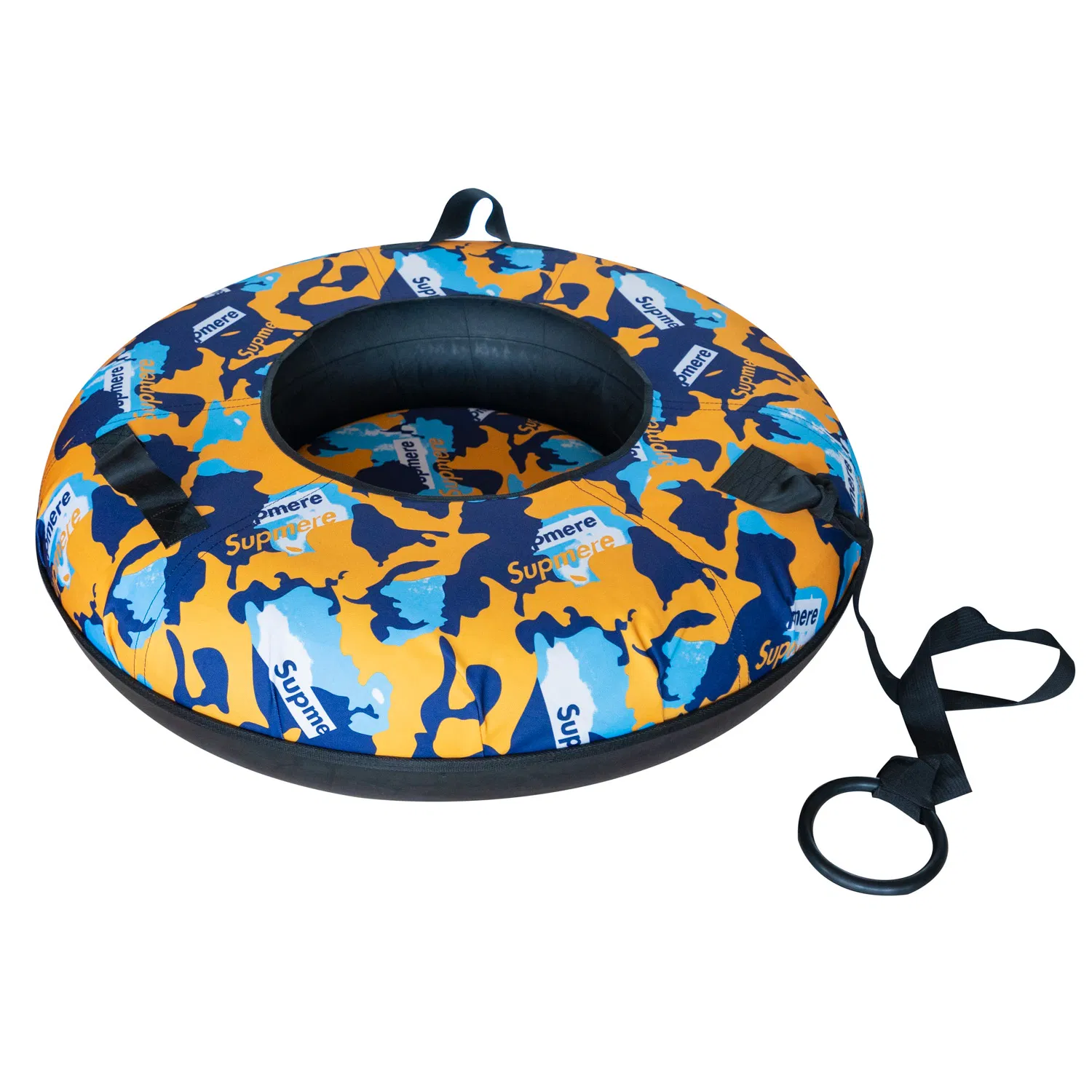
Let's be perfectly clear about the equipment. A snow tube, whether it's a simple inflatable ring or one of the more robust heavy-duty snow tubes found at commercial parks, is fundamentally a passive vehicle. It has no steering mechanism. It has no braking system. Its handles are for holding on, not for navigation. Once you are pushed from the top of the hill, you are a projectile. Your journey down the slope is entirely at the mercy of the hill's contours, the condition of the snow, and any obstacles in your path.
This is a critical distinction. In many other sports, even those with inherent risks, the participant retains a significant degree of control. A skier can turn, slow down, or stop. A skater can change direction or brake. A swimmer can alter their stroke or head for the side of the pool. In a snow tube, you have none of these options. If you feel you are going too fast, if you see an obstacle ahead, if a child falls in your path, there is absolutely nothing you can do to alter your course or velocity. This powerlessness is the very essence of the risk.
Comparing Snow Tubing to Other Winter Activities
It is useful to compare snow tubing to other winter activities to highlight this difference in control.
- Cross-Country Skiing: On a flat, groomed trail, a cross-country skier has almost total control over their speed and direction. It is an excellent, low-impact form of cardiovascular exercise recommended during pregnancy.
- Snowshoeing: This is essentially winter hiking. The participant controls their pace, their path, and can stop at any time. It is another highly recommended activity for pregnant individuals.
- Ice Skating: While it carries a risk of falling, a skilled skater has a high degree of control over their movements. However, because of the hard surface and risk of falling on the abdomen, it is generally advised against, especially for those who are not very experienced or as pregnancy progresses.
- Downhill Skiing/Snowboarding: These activities are explicitly advised against by the ACOG (2020). Like snow tubing, they involve high speeds and a risk of high-impact falls. While a skilled skier has more control than a tuber, the risk of a fall leading to abdominal trauma remains unacceptably high.
Snow tubing falls firmly into the category of high-risk activities alongside downhill skiing, but with the added danger of having zero control. You are not piloting a craft; you are simply riding in it.
The Psychological Stress of a Perceived Loss of Control
Beyond the physical danger, we should also consider the psychological component. For an expectant mother who is naturally in a heightened state of awareness and protection, the feeling of being completely out of control can be a source of significant stress and anxiety. The thrill that a non-pregnant person might feel can easily curdle into fear as the tube picks up speed or starts to spin.
This stress response itself is not beneficial for the body. It causes the release of hormones like adrenaline and cortisol, which increase heart rate and blood pressure. While a fleeting moment of fear is harmless, a sustained period of anxiety during a ride that feels unsafe is a negative physiological experience. The purpose of recreation during pregnancy should be to promote well-being, reduce stress, and maintain fitness in a safe manner. An activity that involves surrendering all control and potentially induces fear runs counter to these goals. The joy of the ride is unlikely to outweigh the anxiety of the risk, and the memory of feeling helpless while hurtling down a hill is not a positive one to carry through pregnancy.
Medical Consensus and Official Recommendations
When personal anecdotes and opinions abound, it is wise to turn to the evidence-based guidance provided by major medical organizations. On the topic of physical activity during pregnancy, the consensus is clear and consistent. The guiding principle is to weigh the benefits of an activity against its potential risks, with the safety of the mother and fetus being the paramount concern.
What the American College of Obstetricians and Gynecologists (ACOG) Advises
The American College of Obstetricians and Gynecologists (ACOG) is the leading professional organization for obstetricians and gynecologists in the United States. Its committee opinions are considered the standard of care. In their guidelines on "Physical Activity and Exercise During Pregnancy and the Postpartum Period," ACOG provides a clear framework for making decisions (ACOG, 2020).
ACOG encourages regular physical activity during pregnancy for its numerous benefits, including reducing back pain, easing constipation, and potentially decreasing the risk of gestational diabetes and preeclampsia. They recommend activities like walking, swimming, stationary cycling, and modified yoga. However, they also provide a list of activities that should be explicitly avoided. This list includes contact sports (like ice hockey or soccer) and activities with a high risk of falling or abdominal trauma. Specifically mentioned are downhill skiing, water skiing, surfing, and gymnastics.
While snow tubing is not always explicitly named, it falls squarely within the category of "activities with a high risk of falling or abdominal trauma." The lack of control, high speeds, and potential for collisions make it functionally equivalent to downhill skiing in terms of the type of risk it presents. Any healthcare provider following ACOG guidelines would therefore strongly advise against snow tubing at any stage of pregnancy.
Perspectives from Family Physicians and Emergency Medicine
The perspective from other medical specialties reinforces this conclusion. Family physicians, who often provide primary prenatal care, echo the ACOG recommendations, emphasizing a cautious approach to recreation. They focus on promoting sustainable, safe forms of exercise that support a healthy pregnancy.
Emergency medicine physicians offer a more sobering perspective. They are the ones who treat the consequences when recreational activities go wrong. They see firsthand the devastating outcomes of trauma in pregnancy, including placental abruption, uterine rupture, preterm labor, and fetal demise (Mendez-Figueroa et al., 2013; O'Toole & Ní Mhuircheartaigh, 2021). From their vantage point, the decision is simple: if an activity has a foreseeable risk of causing a high-impact fall or blow to the abdomen, it should be avoided. The potential for a fun afternoon is not worth a potential lifetime of regret. They would uniformly agree that the answer to "can I snow tube while pregnant?" is a firm and unequivocal "no."
Navigating Conflicting Anecdotes and Prioritizing Expert Guidance
In the age of social media and online forums, it is easy to find anecdotal accounts of people who have done a risky activity during pregnancy and been "fine." You might hear stories like, "My friend went snow tubing in her second trimester, and her baby is perfectly healthy." These stories can be tempting to believe because they offer the reassurance we want to hear.
However, it is critical to understand the flaw in this type of reasoning. An anecdote is not data. For every person who was lucky, there may be another who suffered a tragic outcome but is not sharing their story online. Medical recommendations are based on large-scale data, an understanding of physiology and physics, and the accumulated experience of treating complications. They are designed to protect everyone, not based on the lucky outcomes of a few. When your health and your baby's health are at stake, the overwhelming consensus of medical experts should always take precedence over the anecdotal experiences of friends or strangers on the internet.
Safer Alternatives for Enjoying Winter While Pregnant
Deciding against snow tubing does not mean you must resign yourself to spending the entire winter indoors. On the contrary, it is an opportunity to explore other, safer ways to connect with the season and stay active. The key is to shift the focus from high-adrenaline thrills to activities that are gentle, controlled, and restorative.
Gentle Winter Walks and Snowshoeing on Flat Terrain
One of the simplest and best forms of exercise during pregnancy is walking. In the winter, this can be a beautiful experience. Find a well-maintained park, a cleared walking path, or a quiet neighborhood street. Dress in warm layers, wear boots with good traction to prevent slips, and enjoy the crisp air and winter scenery.
For a more immersive nature experience, consider snowshoeing on flat, groomed trails. Snowshoeing provides a great low-impact cardiovascular workout and allows you to explore peaceful, snow-covered landscapes. It offers excellent stability on the snow, reducing the risk of falls compared to just walking in boots. Choose a popular, easy trail, go with a partner, and do not venture into steep or remote backcountry terrain.
Cross-Country Skiing on Groomed, Easy Trails
For those with some experience, cross-country skiing (classic style, not skate skiing) can be a wonderful activity during pregnancy. On flat, groomed tracks, it is a smooth, gliding motion that is easy on the joints. It provides a full-body workout and allows for a serene journey through a winter wonderland. It is important to stick to easy (green circle) trails, avoid hills that could lead to uncontrolled speed, and be proficient enough to slow down and stop reliably. As with any activity, listen to your body and do not push yourself to exhaustion.
Indoor Activities with a Winter Theme
If the weather is too harsh or the ground conditions are too slippery, you can bring the spirit of winter indoors. Many communities have indoor ice rinks where you can watch skaters while enjoying a hot chocolate from the safety of the stands. You can focus on indoor exercises that support your pregnancy, such as prenatal yoga or swimming in a heated pool. Swimming is particularly beneficial as the water supports the weight of the belly and reduces strain on the joints and back.
Creating New Traditions: Cozy Firesides and Scenic Drives
Pregnancy is a time of transition, and it can be a wonderful opportunity to create new traditions. Perhaps this is the year you perfect your hot cocoa recipe, read a book you have been meaning to get to by a cozy fire, or take a scenic drive through the countryside to admire the snow-covered landscapes from the warmth and safety of your car. The goal is to enjoy the season and the company of your loved ones. Focusing on connection and coziness rather than high-risk adventure can be just as fulfilling, if not more so, during this special time. It is about embracing a different kind of winter magic—one that is defined by peace, warmth, and joyful anticipation.
Frequently Asked Questions (FAQ)
What if I'm in my first trimester? Is snow tubing okay then?
Even in the first trimester, when the uterus is still protected by the pelvis, snow tubing is not recommended. The primary risk comes from the high-impact forces of a fall or collision. A severe jolt can cause trauma to the body and, in some cases, has been associated with an increased risk of miscarriage. The principle of avoiding activities with a high risk of falling applies throughout all trimesters of pregnancy.
Are there any types of snow tubes, like heavy-duty snow tubes, that are safer for pregnancy?
No. The type of snow tube does not change the fundamental physics of the activity. Regardless of its construction, a snow tube remains a vehicle without steering or brakes. The risks of high speed, collisions with others, hitting unseen obstacles, and the potential for high-impact falls are present no matter what kind of tube you are using. The danger is inherent to the activity itself, not the specific equipment.
My doctor said light activity is fine. Doesn't snow tubing count?
This is a common point of confusion. When healthcare providers recommend "light activity," they mean activities like walking, swimming, or prenatal yoga. These are activities where you have control over your body, the impact on your joints is low, and the risk of trauma is minimal. Snow tubing, despite involving sitting, is considered a high-risk, high-impact activity due to the speeds and uncontrollable forces involved. It does not fall into the category of "light activity" from a medical safety perspective.
What should I do if I've already been snow tubing while pregnant?
If you have already been snow tubing and are not experiencing any symptoms like pain, cramping, bleeding, or a change in fetal movement, it is likely that no harm was done. However, it is always a good idea to mention it to your healthcare provider at your next appointment. Moving forward, it is best to avoid the activity for the remainder of your pregnancy. If you experience any concerning symptoms after any fall or jarring activity, you should contact your doctor or seek medical attention immediately.
How is snow tubing different from sledding while pregnant?
From a risk perspective, they are very similar, and both are advised against during pregnancy. Both activities involve uncontrolled sliding at speed down a hill. Sleds, particularly those with rudimentary steering, might offer a tiny illusion of more control, but in practice, they are just as susceptible to high speeds, collisions, and falls. The risk of abdominal trauma and placental abruption is equally high with both activities.
Can I supervise my children snow tubing without participating?
Supervising from a safe distance is generally fine. The key is to stay well away from the tubing lanes and the run-out area at the bottom of the hill. You need to be on stable, flat ground where you are not at risk of being hit by an out-of-control tuber or slipping and falling on an icy patch. Standing at the bottom of a busy slope is a hazardous position. It is better to watch from the side, far up the hill, or from a designated viewing area.
What are the warning signs of a problem after a fall during pregnancy?
After any fall or blow to the abdomen, you should watch for any of the following warning signs and seek immediate medical attention if they occur: vaginal bleeding, leaking fluid from the vagina, severe abdominal pain or cramping, uterine contractions, or a noticeable decrease or absence of fetal movement. Even in the absence of these symptoms, it is always safest to be evaluated by a healthcare professional after any significant fall.
A Final Thought on Winter, Wisdom, and Well-being
The question, "can I snow tube while pregnant?" opens a necessary dialogue about risk, responsibility, and the nature of joy during the transformative journey of pregnancy. The crisp winter air and the allure of a snow-covered hill are powerful invitations to play. Yet, the wisdom of medicine and a deep respect for the developing life within urge a pause, a moment of careful reflection. The evidence points overwhelmingly toward one conclusion: the fleeting thrill of a snow tube ride is not worth the profound and irreversible risks it carries.
This period of nine months is but a brief season in a lifetime. Choosing to forgo certain activities is not a sacrifice but an act of profound love and protection. It is an opportunity to discover new, gentler ways to celebrate winter—a quiet walk through a snowy wood, the warmth of a fire, the shared laughter with loved ones in a safe and cozy space. Embracing these moments fosters a different kind of exhilaration, one rooted in peace, connection, and the joyful anticipation of the new life to come. Let this winter be a season not of risk, but of mindful well-being, ensuring that the only bumps you experience are the gentle kicks from within.
References
American College of Obstetricians and Gynecologists. (2020). Physical activity and exercise during pregnancy and the postpartum period. Committee Opinion No. 804. https://www.acog.org/clinical/clinical-guidance/committee-opinion/articles/2020/04/physical-activity-and-exercise-during-pregnancy-and-the-postpartum-period
Jang, J., Hsiao, K. T., & Hsiao-Wecksler, E. T. (2008). Balance and vestibular function in the third trimester of pregnancy. Gait & Posture, 27(4), 598–605.
Mendez-Figueroa, H., Dahlke, J. D., Vrees, R. A., & Rouse, D. J. (2013). Trauma in pregnancy: an updated systematic review. American Journal of Obstetrics and Gynecology, 209(1), 1–10.
O'Toole, M., & Ní Mhuircheartaigh, J. (2021). Trauma in pregnancy. BJA Education, 21(5), 183–191.
Schmidt, P., Skraastad, E., & Stavem, K. (2020). Risk of placental abruption and other adverse pregnancy outcomes in women with trauma during pregnancy: A case-control study. Acta Obstetricia et Gynecologica Scandinavica, 99(11), 1472-1478. https://doi.org/10.1111/aogs.13898